
Challenge
While working at Wastebits, customer interviews and support conversations revealed a recurring challenge: organizations that needed waste removed often struggled to identify qualified facilities that could accept and properly process their specific waste types. Certain materials such as fryer oil or diesel-contaminated soil from roadside incidents must be transported only to facilities that meet EPA handling and processing requirements. However, there was no simple, self-service way for generators to find appropriate destinations.
User Need
Waste generators needed a faster, more transparent way to locate compliant facilities based on waste type and location. Without a reliable discovery method, many relied on third-party waste brokers to coordinate these services, adding cost, delay, and communication overhead.
Opportunity
This gap presented an opportunity to design a matching and discovery workflow that would connect waste generators directly with qualified facilities, reduce reliance on intermediaries, and streamline the disposal coordination process.
Project Details
My Role: Senior UX Designer
Platform: Web/Mobile
Team: Project Manager, Engineers, BizDev, Customer Stakeholders
Project Field: Electronic Waste Management
Year: 2016
Designs
Design Approach
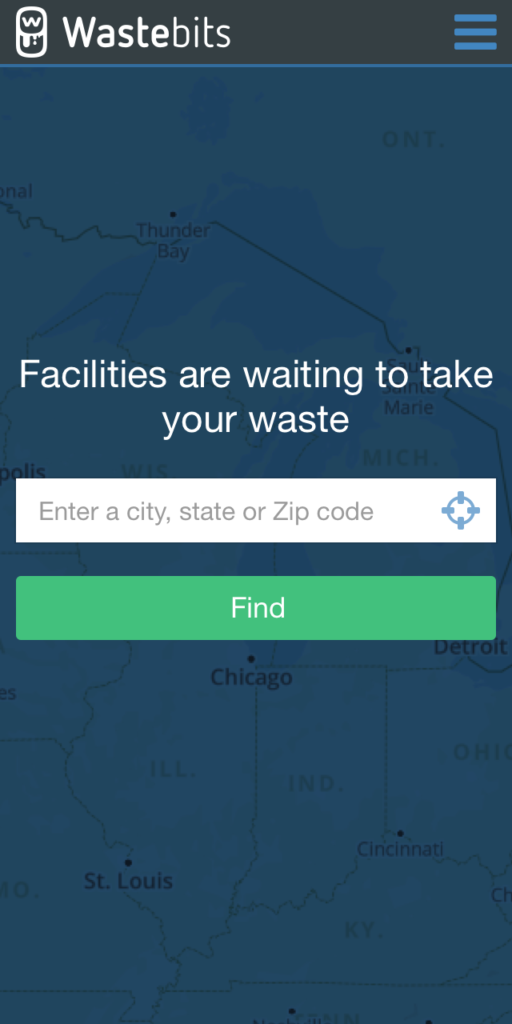
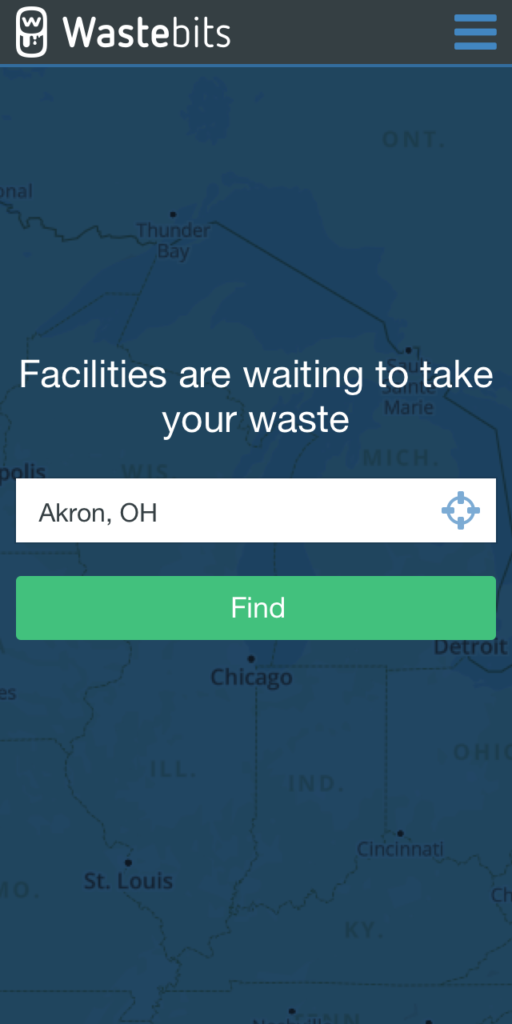
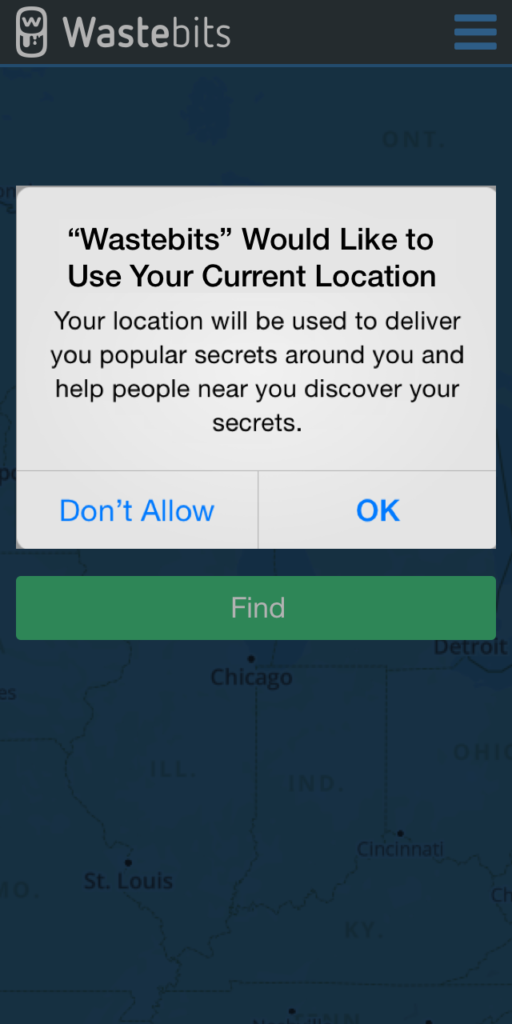
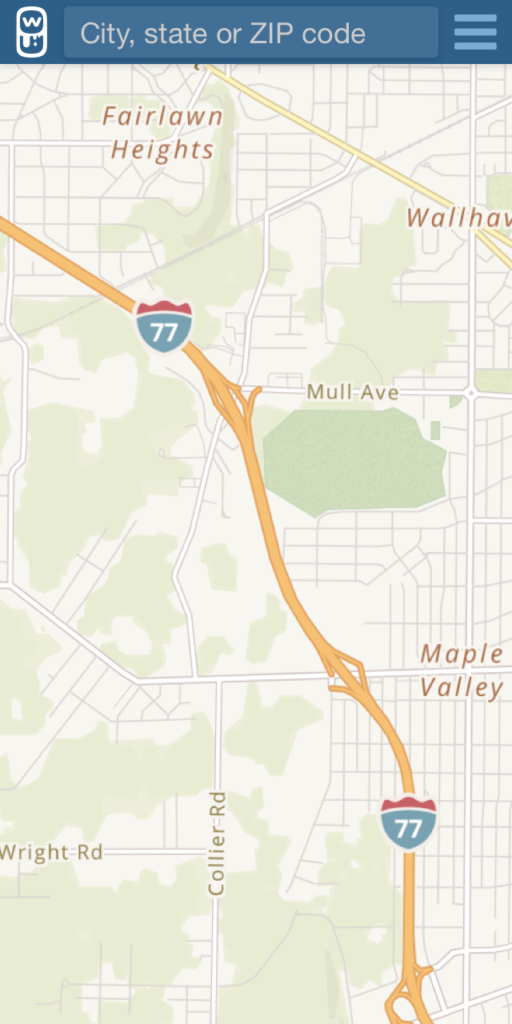
I designed a simple entry experience that asked users to provide their city, state, or ZIP code to begin their search. To reduce friction, the flow also supported automatic location detection using the browser’s IP-based geolocation when available.
Results and Interaction Model
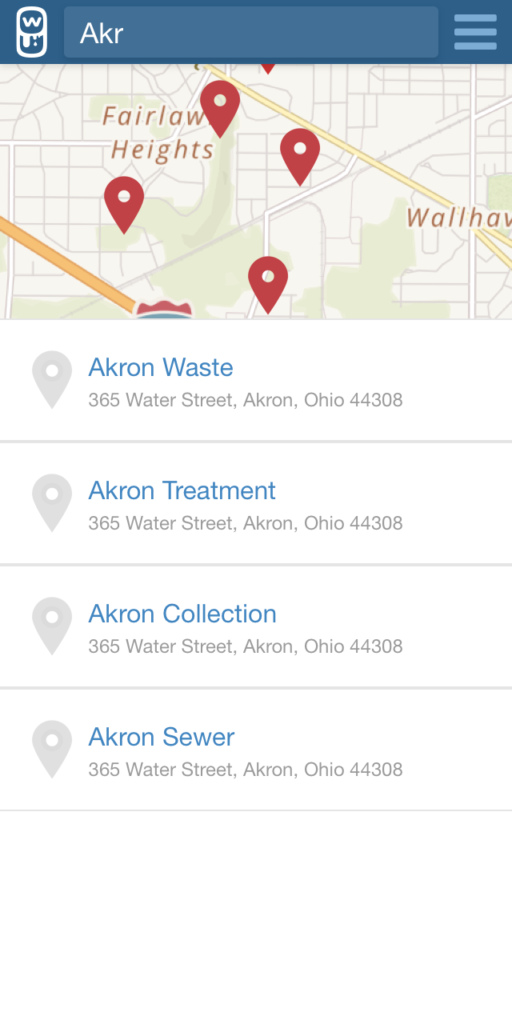
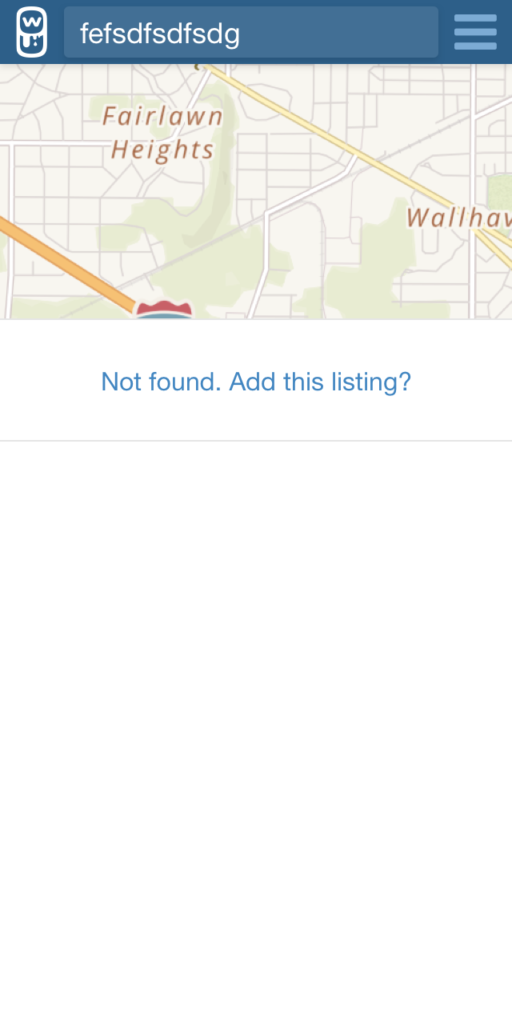
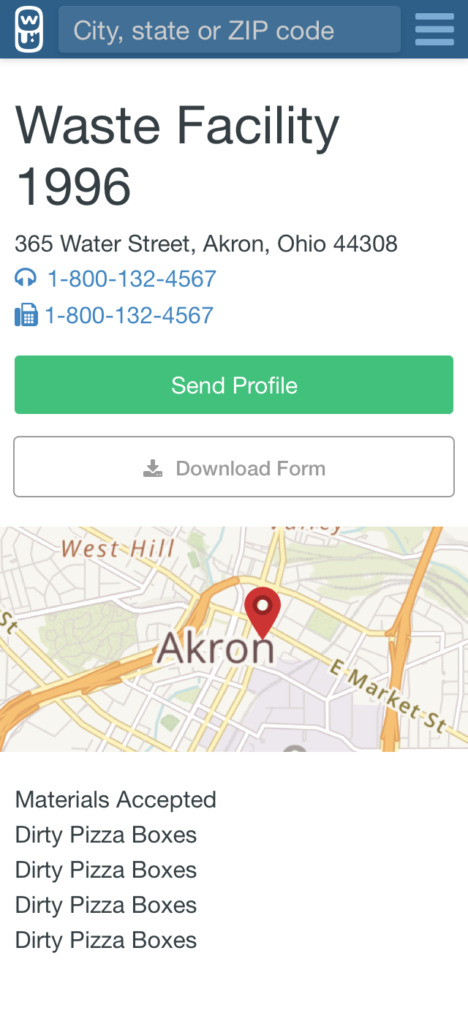
After submitting their location, users were taken to a results page showing nearby facilities. From there, they could adjust and expand their search radius to broaden results. Selecting a facility opened a modal with additional details, allowing users to review key information without leaving the results list. The detail view included address, phone and fax numbers, accepted waste types, and a waste profile form when available.
Facility Participation Model
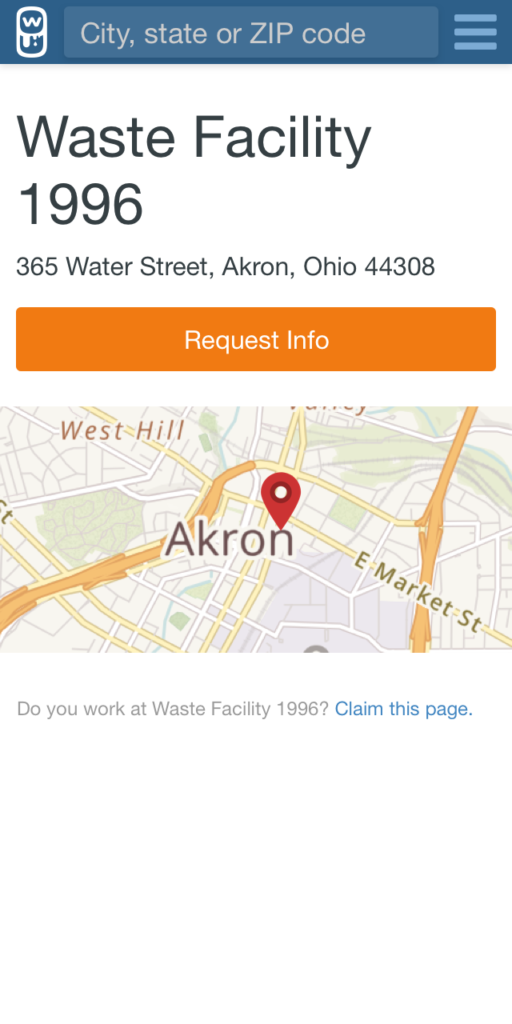
Facilities could claim their listing through a verification process. Verified facilities were able to enrich their profiles with additional operational details, which improved user trust and increased the likelihood of selection. Unclaimed listings still displayed baseline information gathered from public sources, but with more limited detail and fewer customization options.
Outcomes
The solution was well received by waste facilities because it gave them direct visibility through organic search and in-platform discovery, rather than relying solely on broker outreach. For many facilities, this created a new channel for customer acquisition and direct engagement.
Feedback from brokers was more mixed. Some expressed concern that direct matching between generators and facilities could reduce their role in the transaction process. Brokers provide specialized expertise and help ensure regulatory and logistical requirements are handled correctly, and many facilities value the trust built through those relationships.
This introduced a clear tradeoff in the ecosystem. Direct discovery increased facility revenue potential and reduced dependency on intermediaries, while broker involvement continued to offer guidance and risk reduction for more complex disposal scenarios.


